

Designing one wellness experience for every age
How an inclusive wellness layer can support the general public, patients and students without losing the person at the centre.
Field notes, design principles and technical perspectives from building responsible AI for healthcare, young learners and social impact.
These are summaries of articles we are writing. The full articles are coming soon. To hear when they are published, write to contact@vitainspire.com.
How an inclusive wellness layer can support the general public, patients and students without losing the person at the centre.
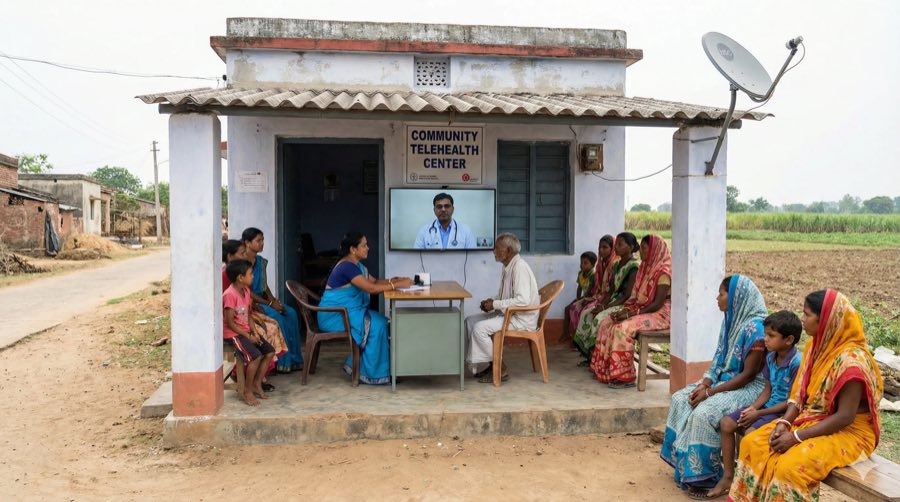
Urban telehealth platforms fail in rural India. What we learned from NGO health centres about what actually works.

Building AI agents for NGO operations requires different principles from commercial applications. Our approach.
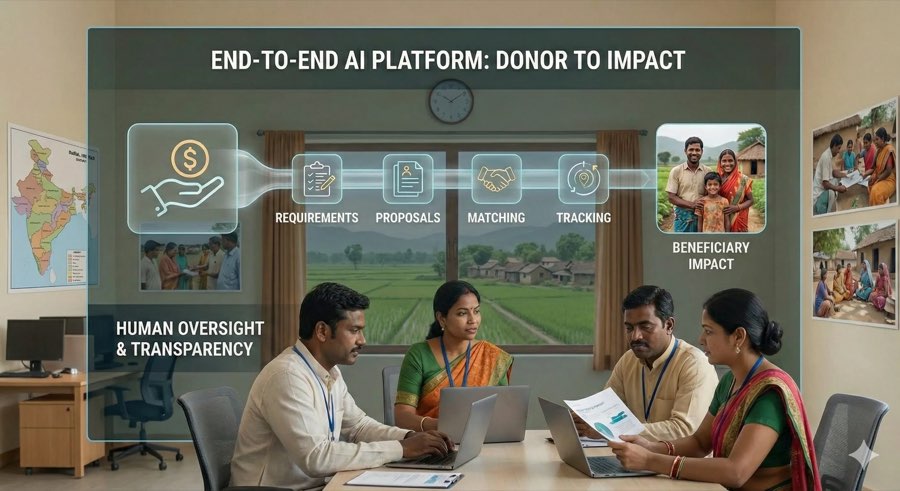
How do you build donor and beneficiary matching systems that preserve dignity, privacy and autonomy?
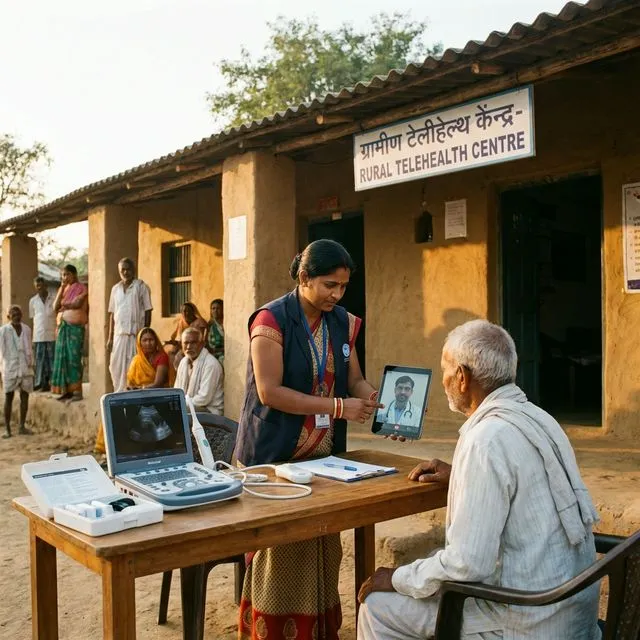
Technical excellence isn't enough. Field deployment taught us about connectivity, local workflows and user trust.

Personalisation for young learners requires age-appropriate design, teacher oversight, privacy and a focus on confidence, not just scores.